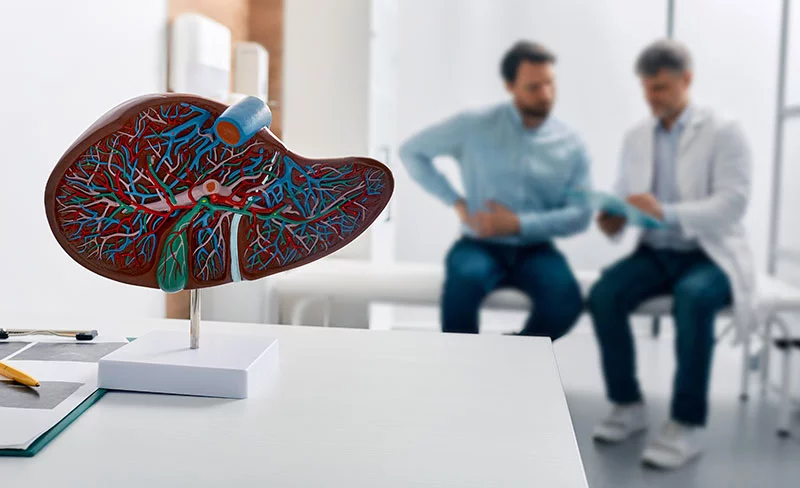
“Global liver cancer rates are expected to jump 75% by 2050, but experts say more than 60% of liver cancers are preventable. Decreases in obesity and reduced alcohol use could drive down rates of liver cancer.”
Here’s a summary of the 09/15/2025 UCHealth article “Liver disease and liver cancer are on the rise. Are they preventable?”

Key points
- Rising rates globally
Liver cancer is projected to increase by ~75% worldwide by 2050. - Large portion preventable
Experts estimate that over 60% of liver cancer cases could be prevented. - Major causes
Globally:- Hepatitis B & C still play a big role in liver cancer (~37% combined), especially in developing countries.
- Alcohol-related liver damage accounts for about 19%.
- Obesity-related liver disease (often via fatty liver disease) contributes roughly 8%.
- U.S. / Colorado situation
- Hepatitis B vaccination and cures for Hepatitis C have reduced those risks in the U.S.
- The bigger drivers in the U.S./Colorado are alcohol-related liver disease and obesity-related liver disease (called MASLD – metabolic dysfunction-associated steatotic liver disease).
- MASLD / MASH explained
- MASLD = metabolic dysfunction-associated steatotic liver disease (formerly “nonalcoholic fatty liver disease, NAFLD”). It’s fat accumulating in the liver, often tied to being overweight/obese, diabetes, etc.
- If MASLD is associated with inflammation, it can progress to MASH (metabolic dysfunction-associated steatohepatitis), which increases risk of fibrosis, cirrhosis, and ultimately liver cancer.
- A fairly large share of people (estimates vary) have MASLD; fewer develop MASH; fewer of those develop cirrhosis; and among those, a significant minority get liver cancer within years.
- Prevention / treatment
- Lifestyle changes (weight loss, healthier diet, limiting alcohol, managing blood sugar/diabetes) are key for slowing down or reversing MASLD before it becomes more severe.
- There are now some FDA-approved medications for MASH as of 2024: for example, resmetirom and the weight-loss drug WEGOVY (semaglutide), which help reduce liver fat and scarring.
- Screening is important: tests for liver enzymes, imaging (ultrasound), and in some cases ultrasound elastography or biopsy. For people with cirrhosis, regular imaging (every six months) to detect tumors early is recommended.
- Takeaway
Having liver disease (particularly before cirrhosis) is a major risk factor for liver cancer. So prevention of liver disease is effectively prevention of a lot of potential future liver cancers. Given that many risk factors are modifiable (diet, weight, alcohol, diabetes management), there is good opportunity to reduce incidence.