
Comparison between traditional hepatobiliary surgery for HCC and HistoSonics’ Edison (histotripsy).
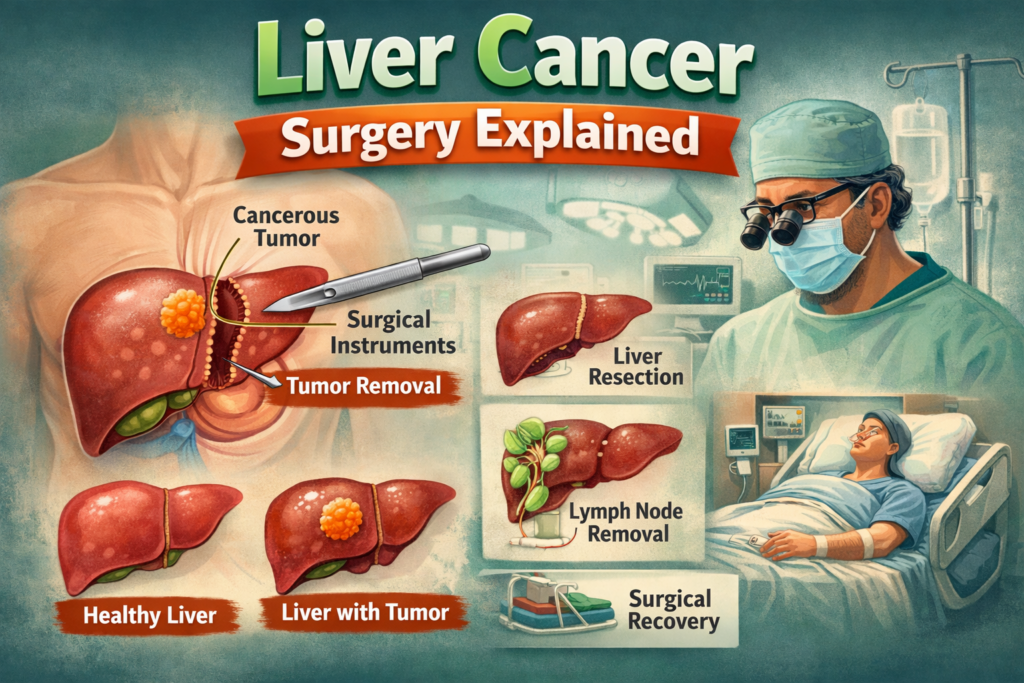
1) What “traditional hepatobiliary surgery for HCC” usually means
A. Curative-intent surgery
- Partial hepatectomy (liver resection): Remove the tumor-bearing portion of liver. Best for localized tumors in patients with adequate liver reserve (often non-cirrhotic or well-compensated cirrhosis) and favorable anatomy.
- Liver transplant: Treats both the tumor and the underlying cirrhosis/portal HTN when criteria are met; limited by donor availability and selection criteria.
B. Common “surgery-adjacent” hepatobiliary procedures
These aren’t surgery per se, but are often part of multidisciplinary hepatobiliary care:
- Thermal ablation (RFA/MWA), arterially directed therapies (TACE/TARE), and systemic therapy—frequently used for bridging, downstaging, or when resection/transplant aren’t feasible.
2) What the Edison system (Histosonics) is and what it’s cleared to do
Edison uses “histotripsy”: focused ultrasound pulses create acoustic cavitation (microbubble clouds) that mechanically disrupt tissue—non-thermal tissue destruction.
Regulatory/labeling (important nuance):
- FDA marketing authorization (De Novo) indicates the system is for noninvasive destruction of liver tumors, including unresectable liver tumors (device indication).
- Company materials also emphasize that FDA has not evaluated it for disease treatment outcomes (e.g., overall survival).
3) Side-by-side: resection/transplant vs Edison histotripsy (Edison)
| Dimension | Hepatobiliary surgery (resection / transplant) | Edison histotripsy (Edison) |
|---|---|---|
| Intent | Often curative (resection/transplant) in appropriately selected patients | Local tumor destruction (device indication); long-term cancer outcomes still being established |
| Invasiveness | Major operation (resection/transplant); anesthesia, incision, recovery, periop risk | Noninvasive energy delivery (focused ultrasound) with image guidance; no incision |
| Who’s a candidate | Limited by liver function (portal HTN, cirrhosis), anatomy, tumor burden, performance status | Positioned for liver tumors including unresectable; used when surgery is not an option or to avoid invasive approaches (site/physician dependent) |
| Typical pathway impact | Requires OR time, inpatient resources, longer recovery; transplant depends on listing & organ availability | Potentially “lighter footprint” on hospital resources vs major surgery; experience varies by center |
| Evidence snapshot | Longstanding outcomes literature + guideline frameworks across stages | Pooled HOPE4LIVER results in Radiology report safety/technical success; 12-month follow-up has been publicly discussed (company/industry reporting) |
| Repeatability / bridging | Repeat surgery limited by liver reserve; bridging often uses locoregional therapies | In principle, a noninvasive local destruction tool could be considered in bridging/downstaging strategies, but center protocols and evidence are evolving |