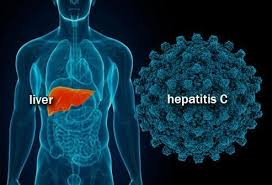
Understanding Hepatitis C Damage & Risks
Children and new mothers are often focused on a wide variety of health considerations, and often hepatitis C is one thing not on their radar. Thankfully, recent studies are bringing these health concerns to light! Consider this summary of the findings from the article “Hepatitis C treatment gaps persist for children and new mothers” published on July 11, 2025, which compares two important studies.
🧒 Children with Hepatitis C
- A Pediatrics study (in partnership with Massachusetts General Hospital) reveals that few children diagnosed with hepatitis C are being referred for specialized care, and even fewer receive treatment.
- Care disparities exist based on race, geography, and age, leaving many children untreated and at risk for long-term liver damage, cirrhosis, cancer, or death.
🤰 Pregnancy and Postpartum Women
- A second study (Obstetrics & Gynecology Open, July 10) led by WashU Medicine indicates that recently pregnant women with hepatitis C are significantly less likely to receive treatment compared to non-pregnant women and men.
- This treatment gap puts both mother and child at elevated health risks—similar to those faced by untreated children.
🚨 Underlying Challenges & Implications
- Despite the availability of highly effective direct-acting antivirals (DAAs), barriers such as systemic healthcare disparities and inadequate referral pathways persist in these high-risk groups.
- Addressing these gaps is essential to prevent progression of the disease and to advance broader public health objectives for hepatitis C elimination.
Bottom line: Health systems aren’t doing enough to treat hepatitis C in children and women who were recently pregnant. Even though effective treatments exist, these vulnerable groups aren’t getting the care they need. We urgently need better screening, referrals, and fair access to treatment.
🧒 Study 1: Pediatric Hepatitis C Treatment Gaps
- Data & Scope: Using anonymized national data from 2000–2022 (928 pediatric HCV patients), researchers analyzed referral and treatment patterns.
- Low Referral & Treatment Rates: Only 1 in 8 children received curative direct-acting antivirals (DAAs), even though guidelines endorse treatment for children aged 3 and older.
- Key Disparities:
- Birth Cohort: Children born 2014–2018 received more treatment, reflecting expanded Medicaid coverage and drug approvals in younger groups WashU Medicine.
- Race & Ethnicity: Hispanics were twice, and Whites three times, as likely as Black children to be treated.
- Region: Southern U.S. children had the lowest treatment rates.
- Possible Factors: Aside from socioeconomic/access issues, treatment may be delayed due to administration challenges in young children or expectations of spontaneous viral clearance.
What this means: These findings reveal a major gap in hepatitis C care. Many children are being diagnosed but aren’t getting referred for treatment or actually receiving it. This creates a serious obstacle to meeting public health goals for eliminating hepatitis C.
🤰 Study 2: Pregnant & Postpartum Women’s Treatment Access
- Who was studied: Researchers looked at insurance records for people with opioid addiction who also had hepatitis C. They compared treatment rates between women who had recently been pregnant, other women, and men.
- What they found:
- Treatment rates varied by group:
- Women who had recently been pregnant: 31.8% got treatment
- Men: 40.6% got treatment
- Women who hadn’t recently been pregnant: 35.7% got treatment
- Treatment rates varied by group:
- Expert perspective: Dr. Megan Curtis pointed out that these medications cure more than 95% of patients with just 8–12 weeks of pills taken by mouth. The challenge is getting treatment to the people who need it most.
What this means: Having been recently pregnant creates an extra barrier to getting hepatitis C treatment. This puts both mothers and babies at higher risk for serious complications like liver disease and passing the infection from mother to child.
🚨 Public Health and Policy Context
- Rising HCV Rates: Hepatitis C infections have surged among reproductive-age adults—tripling from 2010 to 2021—prompting universal screening for all pregnant persons in recent CDC recommendations CDC.
- Testing Cascade Weakness: Despite guidelines for early infant testing and referral, the CDC estimates only ~30% of perinatally exposed children are tested at all; most remain undiagnosed and untreated CDC.
- Systemic Barriers: Challenges include lack of provider awareness, unstable care continuity, postpartum service fragmentation, stigma around drug-use, and structural inequities.
✅ Recommendations & Next Steps
- Strengthen Screening & Linkage
- Expand universal testing during pregnancy and streamline early infant follow-up (<6 mo).
- Use automated alerts and care navigators to improve referral rates.
- Targeted Equity Interventions
- Address racial and regional disparities via community outreach and support services.
- Expand Medicaid and insurance coverage across all states and ages.
- Integrate HCV Care into Maternal & Pediatric Services
- Co-locate HCV treatment in obstetrics and pediatric clinics.
- Train providers to manage DAAs in pregnant women and young children.
- Public Health Monitoring & Support
- Track prenatal and pediatric HCV care access through improved data systems.
- Educate clinicians and families on the safety and benefits of early treatment.
📊 Summary
Both studies underscore systemic failures in delivering effective hepatitis C treatment to children and recently pregnant women—despite high cure rates with DAAs. Urgent improvements in screening, referral infrastructure, equity-focused policies, and clinical integration are essential to close these gaps and support national HCV elimination goals.