
A recent study entitled “MetALD, ALD Linked to Higher Liver Risks and Mortality in Steatotic Liver Disease” indicates the following–
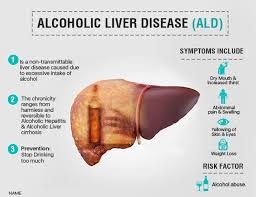
🧬 “MetALD” (Metabolic and Alcohol-associated Liver Disease)
- Defined as steatotic liver disease with both metabolic dysfunction (e.g., obesity, diabetes, high blood pressure) and moderate alcohol intake—roughly 30–60 g/day for men and 20–50 g/day for women.
Key Takeaways from the Study:
- Elevated Risk of Cirrhosis and Liver Cancer
- Individuals with MetALD have a significantly higher incidence of cirrhosis and hepatocellular carcinoma (HCC) compared to those with metabolic-only steatotic liver disease (MASLD).
- Worse Mortality Outcomes
- Compared to MASLD, MetALD is associated with higher overall and liver-related mortality, even after adjusting for other risk factors.
- Prevalence & Burden
- MetALD affects millions: around 2.5% of US adults (translating to about 17 million people) meet its criteria.
- Synergistic Harm from Metabolic Dysfunction + Alcohol
- MetALD patients experience more rapid progression to steatohepatitis, fibrosis, cirrhosis, and HCC—all driven by the powerful interaction between metabolic risk and alcohol.
- Clinical Implications
- Recognition of MetALD as its own category highlights the urgent need for dual-focused interventions:
- Reduce metabolic syndrome (via weight loss, GLP‑1 agonists, lifestyle change)
- Moderate or stop alcohol intake, combining addiction support with traditional therapies.
- Recognition of MetALD as its own category highlights the urgent need for dual-focused interventions:
🔍 The Why
- Earlier diagnosis: Identifying those in the intermediate alcohol-use range can improve monitoring and prompt treatment.
- Better outcomes: Dual management reduces the risk of cirrhosis, cancer, and mortality.
- Evolving definition: MetALD recognition pushes for consensus on diagnostic criteria (e.g., alcohol quantification), non-invasive fibrosis assessment, and targeted clinical guidelines.
✅ Key Takeaway
MetALD represents a high-risk subgroup within steatotic liver disease—the combination of metabolic issues and moderate drinking leads to a notable increase in liver-related complications and death. Clinicians should actively identify these patients and pursue comprehensive strategies addressing both metabolic health and alcohol reduction.