
FROM THE RECENT PAPER regarding diagnostic testing and weight loss medication:
“Conclusion: Non-Invasive Tests (NITs) may be used for assessing a treatment response in patients with MASH. Further studies should confirm the treatment effect of NITs and evaluate the association of NIT changes to outcomes.”
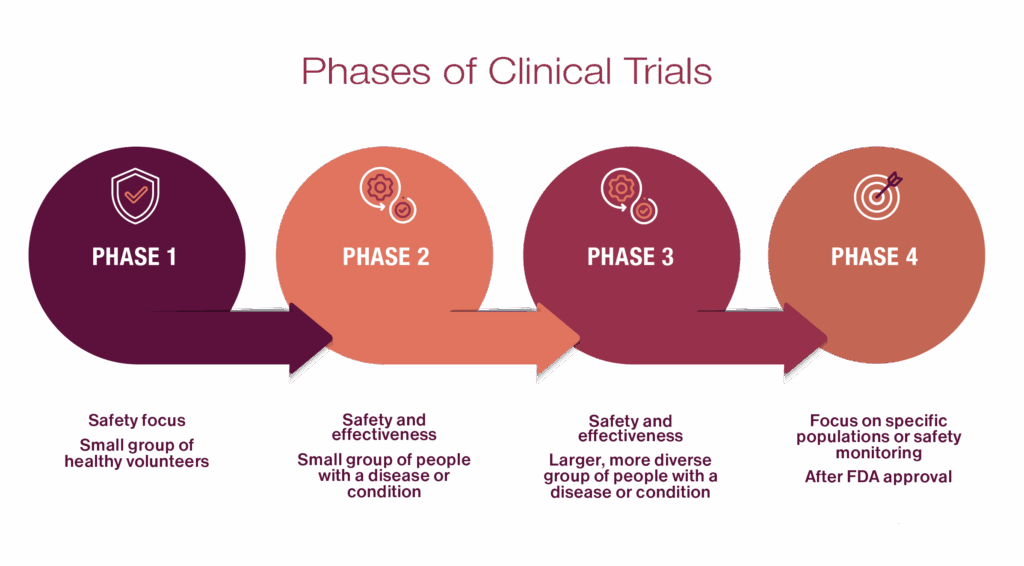
The September-2025 paper titled “Exploration of Multiple Non‑Invasive Tests for Assessing Response to Treatment in a Semaglutide Phase 2b Trial in Patients with MASH” (DOI: 10.1111/apt.70376) has our attention here at LiverRight, the US National Virtual Clinic for Diagnosing & Treating all forms of liver disease in adults.
Background
- The study addresses patients with Metabolic dysfunction‑associated steatohepatitis (MASH), a progressive liver disease.
- It focuses on non-invasive tests (NITs) — for example blood biomarkers, elastography, etc — which are not yet approved as biomarkers to assess treatment response in MASH.
- The aim: to examine whether a set of NITs can track or assess response to therapy with Semaglutide in a Phase 2b trial.
Methods
- The study is retrospective, using “completer population” from a clinical trial (NCT02970942) — i.e., patients who were randomized, stayed on treatment, and had both liver biopsy + NIT results at baseline and week 72. Total of 268 patients.
- Semaglutide arms were pooled together for analysis vs placebo.
- Multiple NITs were evaluated, including (among others):
- Alanine Transaminase (ALT), Aspartate Aminotransferase (AST)
- Controlled attenuation parameter (for fat in liver)
- Biomarkers like CK18-M30 / M65
- Fibrosis indices: e.g., FIB-4, Enhanced Liver Fibrosis (ELF) test, PRO-C3, liver stiffness measurement (LSM) via elastography, and some metabolomics / advanced fibrosis scores.
- They evaluated responses by: mean change, “responder groups”, or shifts in risk categories from baseline → 72 weeks.
Results
- Treatment with semaglutide led to significant reductions (vs placebo) across all NIT scores by week 72. Some reductions already seen by week 28.
- When using a 20% NIT-response threshold (for example a 0.5 unit drop for ELF), more patients in the semaglutide group showed improvement and fewer showed fibrosis progression compared to placebo.
- In a subset of patients with baseline high liver stiffness (LSM > 8 kPa) and high ELF (> 9.8 U), a larger proportion achieved lower-risk thresholds (LSM < 8 kPa & ELF < 9.8) in semaglutide vs placebo.
Conclusions
- The authors conclude that NITs may be usable for assessing treatment response in MASH patients.
- But they caution: further work is needed to confirm the validity of NITs (i.e., ensure changes in NITs correlate with meaningful outcomes, long-term prognosis, etc).
- In other words: this is promising, but not yet a substitute for the “gold standard” (e.g., liver biopsy in many cases) for response measurement in this disease.
The Net Net
- It’s encouraging that a wide panel of NITs showed consistent signal of improvement with semaglutide vs placebo. That suggests non-invasive monitoring might be realistic in MASH treatment trials & eventually in clinical practice.
- The fact that changes appeared by week 28 is also good — earlier detection of response is valuable.
- But: “significant reduction in NITs” doesn’t automatically mean “improved clinical outcomes” (less cirrhosis, less liver-related morbidity/mortality) — that linkage still needs stronger evidence.
- For someone developing diagnostics or biomarkers, this is a useful example: NITs can map onto drug response — but the validation path (prospective, outcome-linked, regulatory accepted) remains non-trivial.