Today’s WSJ article is noteworthy: “Hep-B Is the Only Vaccine Given at Birth. Why Doctors Say It Can’t Wait. The vaccine has virtually eliminated childhood infections of a disease that doesn’t only transmit through drugs or sex.”
Key Points
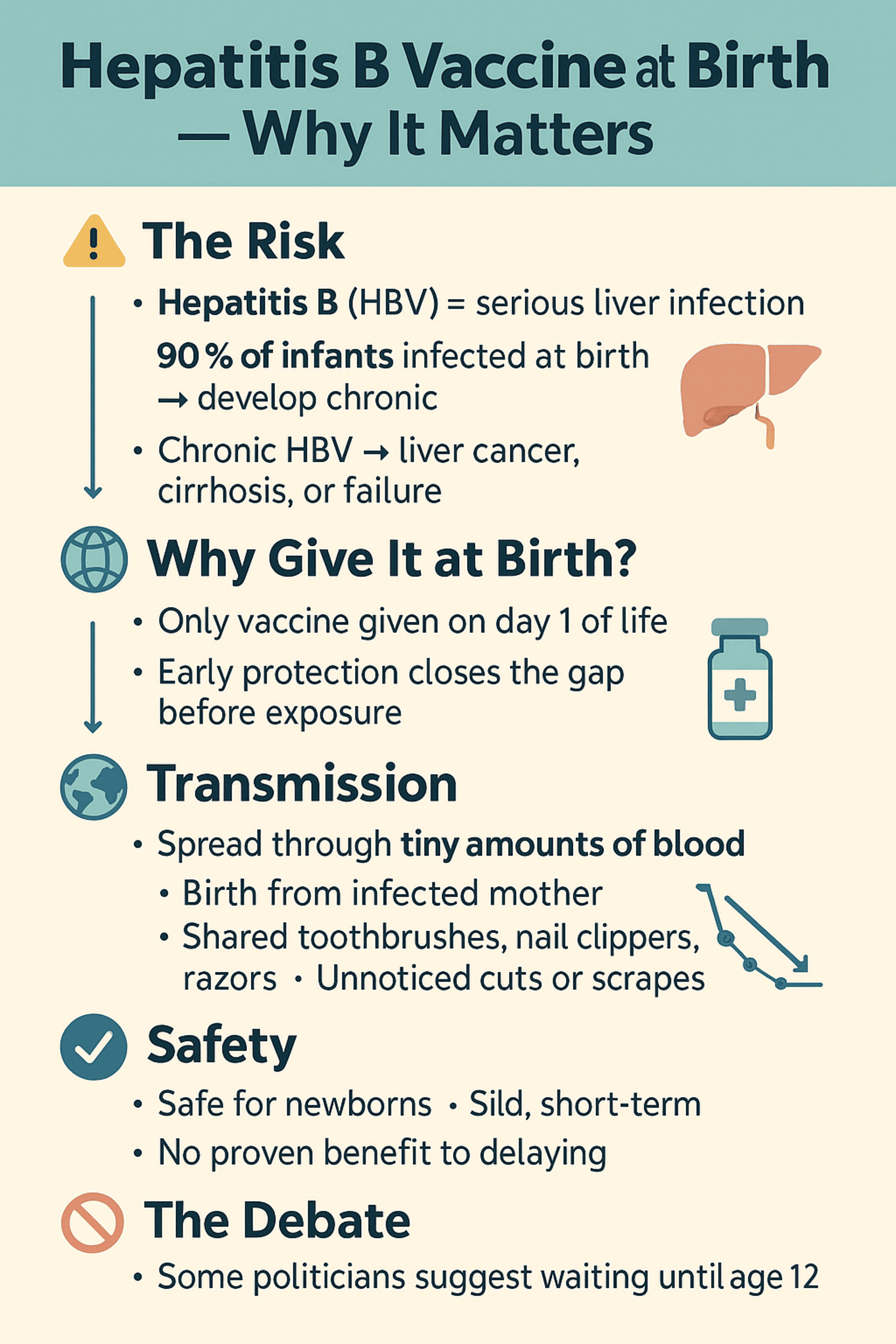
- In the U.S., the hepatitis B vaccine is routinely given to newborns — it’s the only vaccine typically administered at birth.
- Some voices in the Trump administration have floated delaying the first dose until age 12, but medical experts strongly oppose that.
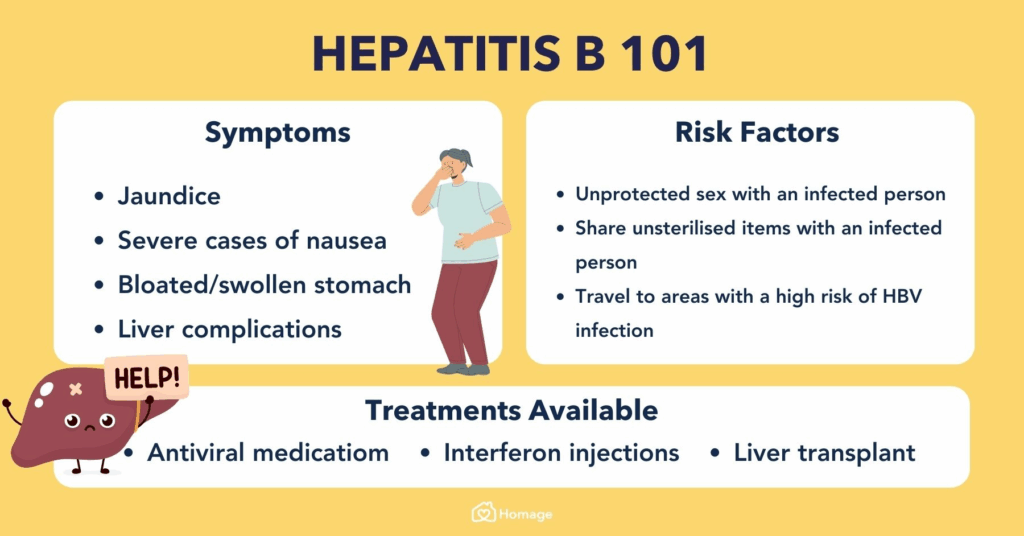
- Hepatitis B (HBV) is a serious liver infection. Infants infected at birth have a very high risk (≈ 90%) of developing chronic infection, which can lead to liver damage, liver cancer, or liver failure later.
- Because the virus is highly transmissible (even via tiny amounts of blood or shared items like toothbrushes or nail clippers), and many carriers show no symptoms, early protection is essential.
- Earlier efforts to only vaccinate “at-risk” infants failed to control the disease, because many cases were missed. Universal newborn vaccination was adopted in 1991 and helped drive down childhood HBV infections.
- The vaccine is considered safe even in newborns, with minimal side effects.
- Delaying vaccination offers no advantages; it risks gaps in coverage and missed opportunities, especially since hospital stay ensures the newborn is available for that first dose.