
The liver plays a vital role that affects the whole body. It is common to see clinical findings throughout the body, from head to foot; the signs of liver disease are for the most part to be found OUTSIDE the abdomen.
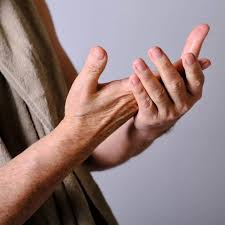
- Liver disease manifests not just in the abdomen, but via signs visible throughout the body—from head to toe.
- Clinicians (such as our own at LiverRight) can systematically recognize physical exam findings associated with liver disease outside the abdominal region.
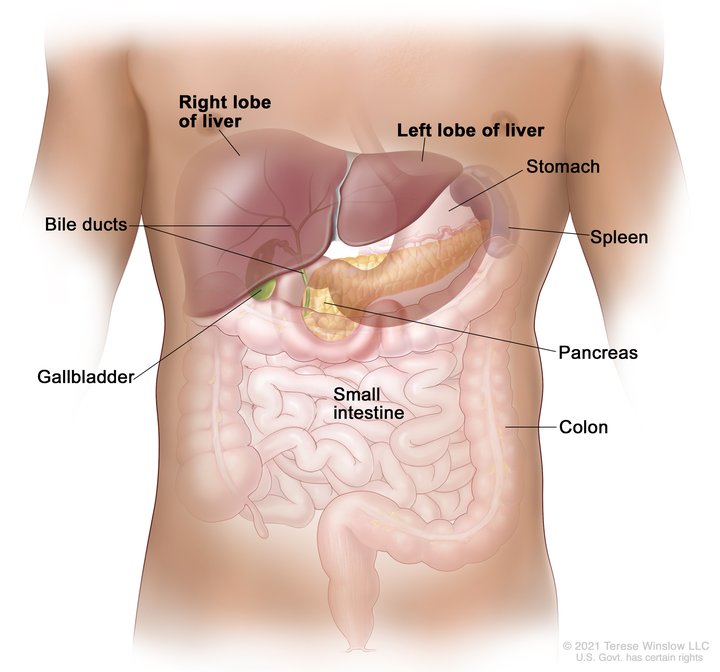
Key Physical Findings
Head / Face
- Fetor hepaticus: a distinctive musty breath odor.
- Constructional apraxia: inability to draw or copy simple shapes (e.g., a star).
- Drowsiness / confusion: signs of hepatic encephalopathy.
- Parotid gland enlargement (bilateral).
- Spider angiomas.
- Icterus / jaundice (yellowing of eyes / skin).
Chest / Torso
- Reduced axillary hair.
- Spider angiomas (on chest).
- Gynecomastia in males (breast tissue enlargement).
Hands & Extremities
- Asterixis (“flapping tremor”) in wrists/hands.
- Palmar erythema: reddening of the palms (especially over thenar & hypothenar areas).
- Dupuytren’s contracture (in some patients).
- Clubbing (noted especially in biliary cirrhosis).
- Terry’s nails (“half and half” nails) – proximal portion pale, distal portion darker.
Abdomen / Portal Hypertension Findings
- Exam focuses on signs of portal hypertension:
- Splenomegaly (enlarged spleen).
- Venous patterns / collaterals (signs of porto-systemic shunting).
- Ascites (fluid in the abdominal cavity) is a possible sign—but the article emphasizes that ascites alone is not always due to portal hypertension.
Other Findings (Miscellaneous / Systemic)
- Petechiae / ecchymoses (bleeding / bruising).
- Scratch marks (from pruritus).
- Edema (especially lower extremities).
- Testicular atrophy.
- Female escutcheon in male: altered pattern of pubic hair (becomes more female‐patterned).
The Key Takeaways
- Liver disease often shows extra-abdominal signs; a focused exam from head to foot helps uncover subtle clues.
- Recognizing these diverse physical signs helps in early detection, localizing disease severity, and guiding further workup (imaging, labs, referral).
- This page links to 25 modules (e.g., ascites, spleen exam, liver exam, bedside ultrasound) as a further resource: Stanford Medicine