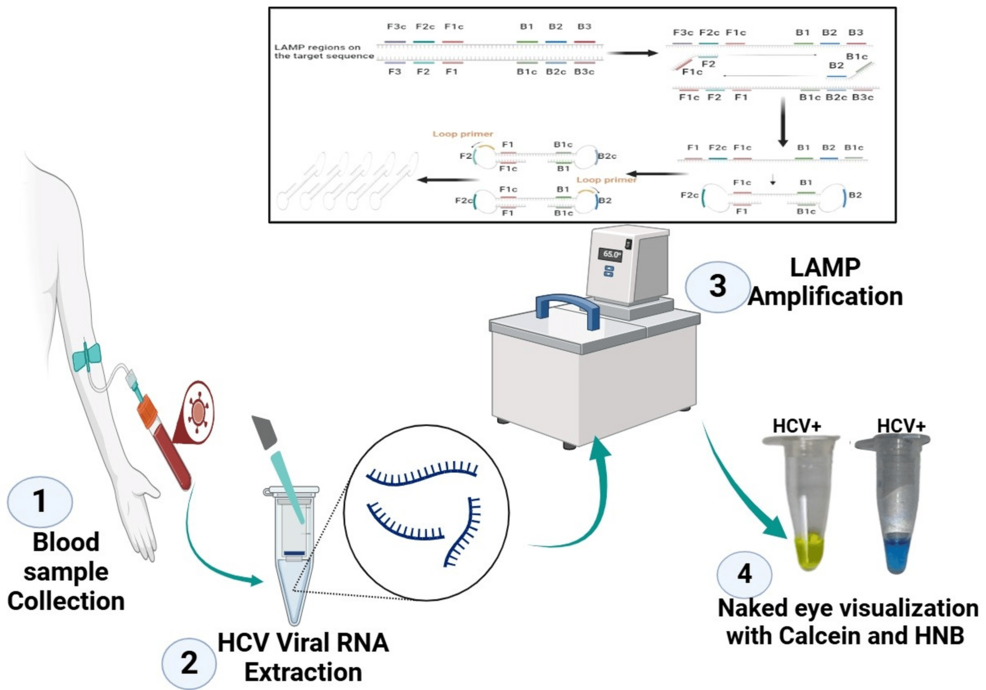
KEY QUOTE:
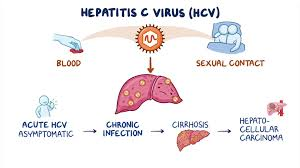
“HCV is a significant public health problem and a leading cause of chronic liver disease. The great majority of HCV-infected individuals are asymptomatic or unaware of their infection. Therefore, early detection of HCV infection is crucial for initiating antiviral treatment and controlling the disease progression. Globally, an estimated 58 million individuals are chronically infected with HCV, and the WHO has set a new goal of reducing approximately 90% of new HCV infections and 60% of mortality by 2030. Rapid detection and accurate identification of HCV in patients at all infection stages are crucial for initiating proper antiviral treatment.”
“Bridging the Diagnostic Gap: A Rapid, Cost-Effective, and Equitable Hepatitis C Virus RNA Detection Method for Resource-Limited Settings” is a worthy read on HCV.
Summary
- Problem: Many low- and middle-income settings struggle to diagnose active Hepatitis C virus (HCV) infection, because the standard RNA testing is expensive, often requires complex lab infrastructure, and can have long turnaround times. This delay/cost barrier prevents many infected people from being properly identified and treated.
- Goal: Develop and validate an HCV RNA detection method that is rapid, cost-effective, equitable, and suitable for resource-limited settings, so more people can get diagnosed and start treatment.
Key Findings
- The authors describe a simplified protocol/assay for HCV RNA detection. It is designed to require less infrastructure and have lower cost than standard methods, while maintaining acceptable accuracy.
- The method is shown to have good performance metrics (sensitivity and specificity) in validation, making it a potentially viable alternative in settings where standard RNA diagnostics are not feasible.
- Emphasis on rapid turnaround and reducing barriers like cost, lab requirements, and technical complexity so that more patients in under-served regions can access diagnosis.
Implications
It offers a model for other diseases too, where molecular diagnostics are key but logistically or financially challenging in many parts of the world.
If adopted, this sort of method could increase the number of people identified with active HCV infection, especially in areas with limited lab capacity.
This can help in achieving public health goals for hepatitis C: diagnosing more cases, treating them, reducing onward transmission, and ultimately reducing liver disease burden.