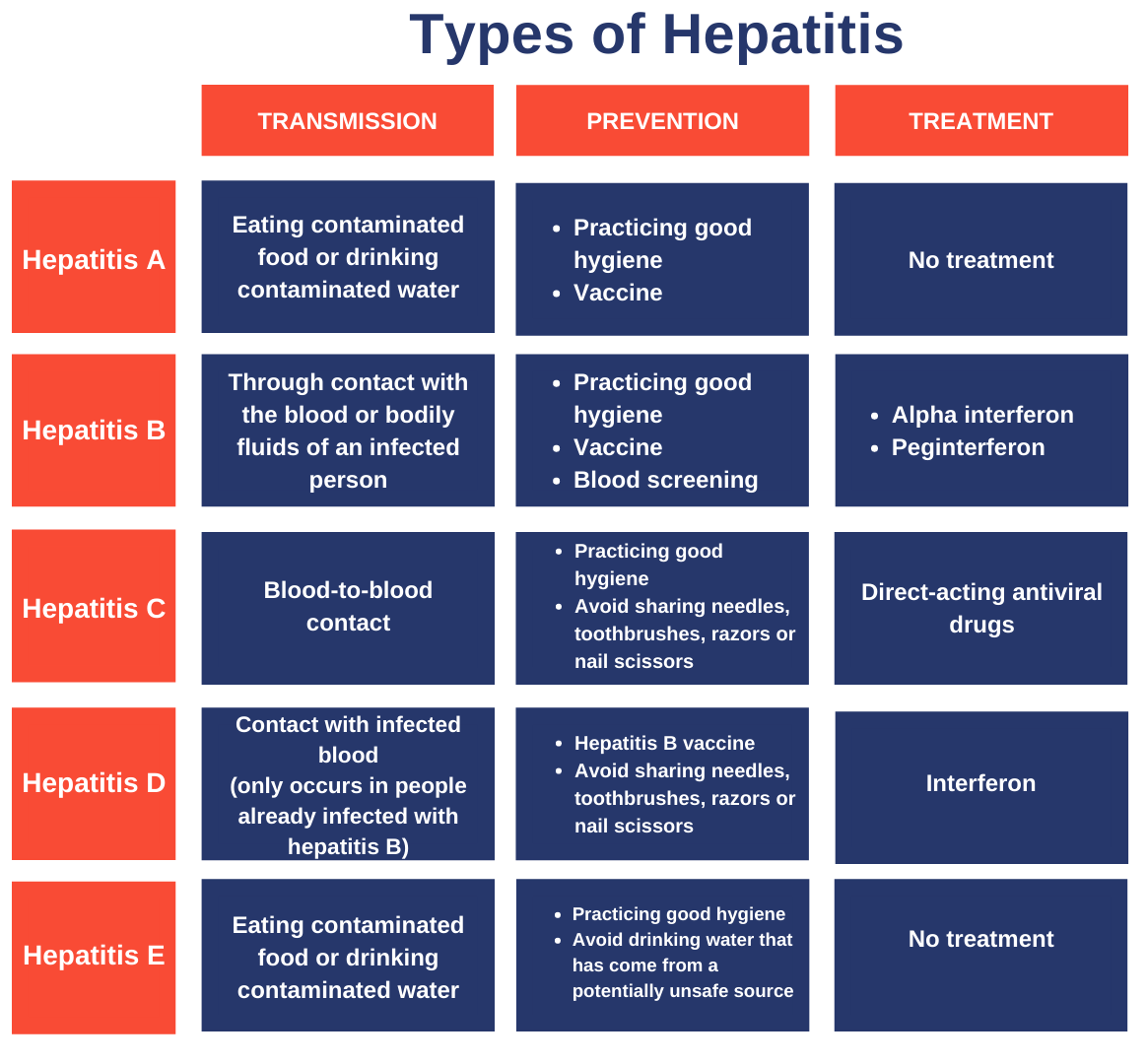
Here’s a concise summary of the article titled “Pathogenesis, prevention, and therapeutic advances in hepatitis B, C, and D“ (Virology Journal, August 11, 2025):
High Level
- Scope: The article reviews the disease mechanisms, prevention strategies, and treatment progress for chronic hepatitis viruses B, C, and D, which together impose a substantial global health burden.
- Global Targets: It reinforces the World Health Organization’s 2016 Global Health Sector Strategy to eliminate viral hepatitis as a public health threat by 2030—aiming for a 90% reduction in new infections and a 65% decrease in deaths.
Pathogenesis
- Chronic infections by HBV, HCV, and HDV are emphasized due to their high propensity for progression to serious liver disease and long-term complications.
- Though detailed molecular mechanisms are not spelled out in the abstract, the review underscores the importance of a deeper understanding of the viruses’ molecular and immune interactions to guide therapy development.
Prevention Strategies
- The authors discuss vaccination campaigns and broader public health measures that have successfully reduced the spread of these infections.
- These preventative approaches are positioned as essential, alongside future therapeutic innovations, to curb the global burden of viral hepatitis.
Therapeutic Advances
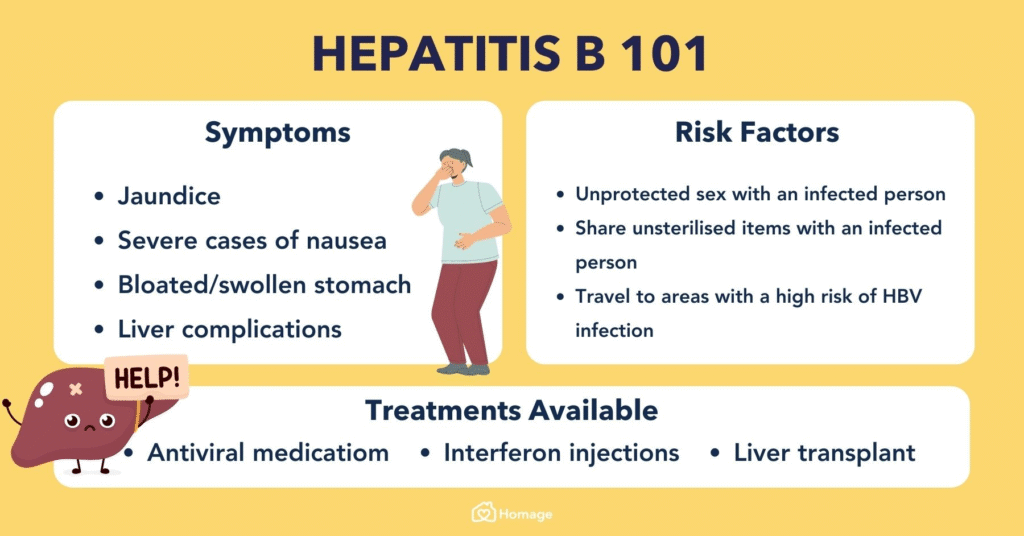
- Current treatments for hepatitis B, C, and D—including antivirals and interferons—can halt disease progression toward advanced stages.
Future Directions & Global Collaboration
This review emphasizes–
- The urgent need for prevention and cure strategies
- The significant role of vaccines and antivirals
- The urgency for safer, more effective upcoming therapies
- And the foundational requirement of sustained global cooperation and research.