This 30 July 2025 Gut article “Thrombospondin‑2 is a performant biomarker of at‑risk MASH and advanced MASH fibrosis in a large multicentre European cohort” is revealing; a snapshot of the future.
🧠 Background & Objective
Clinical need exists for non‑invasive, biologically plausible biomarkers to identify patients with at‑risk metabolic dysfunction‑associated steatohepatitis (MASH)—characterized by steatohepatitis (NAS > 4) with moderate-to-advanced fibrosis (F2–4). The study evaluated whether thrombospondin‑2 (TSP2), alongside IGFBP7, GDF15, and CD163, can reliably detect this high‑risk subgroup in MASLD (formerly NAFLD).
📊 Study Design
- Retrospective multicentre European cohort of patients undergoing liver biopsy for suspected MASLD.
- Serum levels of TSP2, IGFBP7, GDF15, and CD163 were measured via ELISA.
- Compared performance of these markers against existing clinical fibrosis indices: FIB‑4, Agile3, FAST, and transient elastography (VCTE).
- Outcomes of interest:
- At-risk MASH (NAS > 4 with fibrosis stage 2–4)
- Advanced fibrosis (stage 3–4).
🎯 Main Findings
- TSP2 emerged as the top-performing biomarker among those evaluated, showing strong discrimination for both:
- At-risk MASH
- Advanced fibrosis
- TSP2-based ELISA scores equaled or outperformed traditional non-invasive scores (e.g. FIB‑4, Agile3, FAST, VCTE) in identifying high-risk MASLD patients.
✅ Implications
- TSP2 demonstrates high diagnostic utility for identifying patients at risk of progressive MASH and clinically significant fibrosis.
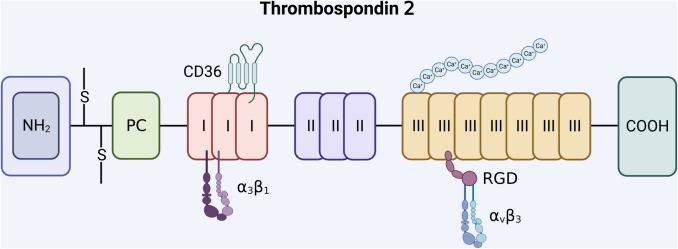
- The biomarker’s biological rationale (involvement in matrix remodeling and fibrosis pathways) supports its mechanistic relevance.
- Potential application: noninvasive risk stratification to identify MASLD patients who likely need biopsy, close follow-up, or therapeutic trials.
💡 Difference Maker?
- Addresses the gap between metabolic steatosis and clinically significant disease.
- Opens the door to serum-based diagnostics that can reduce reliance on liver biopsy.
- Offers a framework for prospective validation and possibly tailoring interventions to high-risk patients.