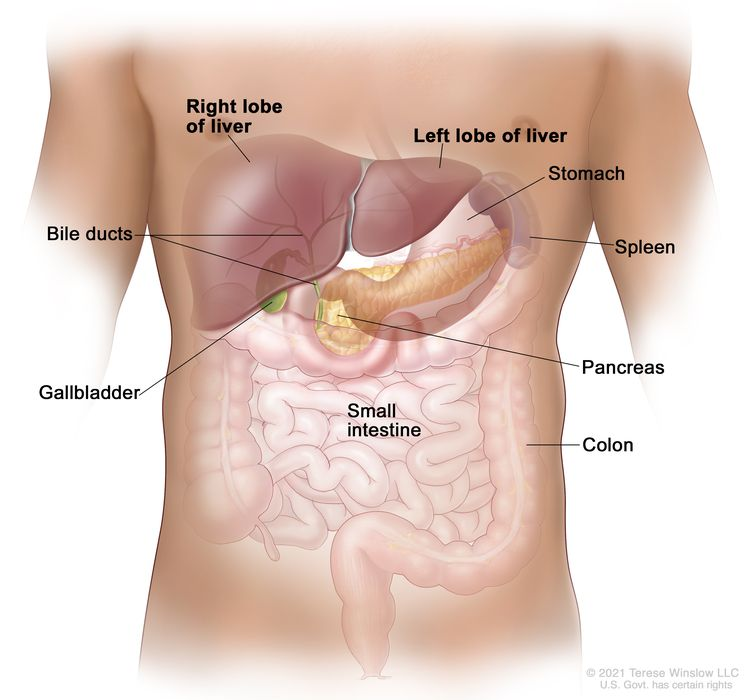
Summary from “Reversing the Rise of Liver Cancer” published in Lancet on July 28, 2025–
Liver cancer is the sixth most common cancer and the third leading cause of cancer-related mortality globally. The number of new liver cancers will nearly double, from 0·87 million in 2022 to 1·52 million in 2050, if there is no change in the current trend. The Lancet Commission on hepatocellular carcinoma addresses the severity of hepatocellular carcinoma over the next 25 years. The Commission aims to define a goal for reducing the global hepatocellular carcinoma burden and outline ten evidence-based recommendation for actions. These recommendations cover various areas, including awareness campaigns, improvements in health-care delivery, and access to treatment, as well as policy and legislative changes.
📌 Key Findings
- The study projects global liver cancer incidence could nearly double, increasing from about 870,000 cases in 2022 to over 1.5 million annually under current trends.
- A key insight: three out of five (60 %) of these future liver cancer cases are potentially preventable by targeting major risk factors such as hepatitis B, hepatitis C, alcohol, obesity, and aflatoxin exposure.
📝 Context & Impact
- As the global burden of liver cancer rises sharply, particularly in low- and middle-income regions, public health interventions focused on risk-factor control are urgent.
- Preventive strategies include widespread hepatitis vaccination, screening and antiviral treatment for hepatitis infections, reducing alcohol consumption, tackling obesity, and limiting aflatoxin contamination in food supplies.
✅ Summary Table
| Aspect | Details |
|---|---|
| Estimated cases | ~870,000 in 2022 → ~1.5 million projected |
| Preventable share | Approximately 60 % |
| Primary risk targets | Viral hepatitis, alcohol, obesity, aflatoxin |
🌍 Why It Matters
With the likelihood of a dramatic rise in liver cancer incidence, especially in under-resourced areas, this article underscores a critical opportunity: up to 60 % of cases could be avoided through scalable preventive measures. The message is clear—policy and public health action now can dramatically alter future outcomes.