
Progressive familial intrahepatic cholestasis (PFIC) is a rare genetic disorder that causes severe itchiness and liver failure. Patients with PFIC develop liver failure as a result of a buildup of a digestive fluid known as bile.
PFIC is a group of rare genetic diseases that cause a digestive fluid called bile to accumulate in the liver, resulting in extensive damage that often necessitates a transplant.
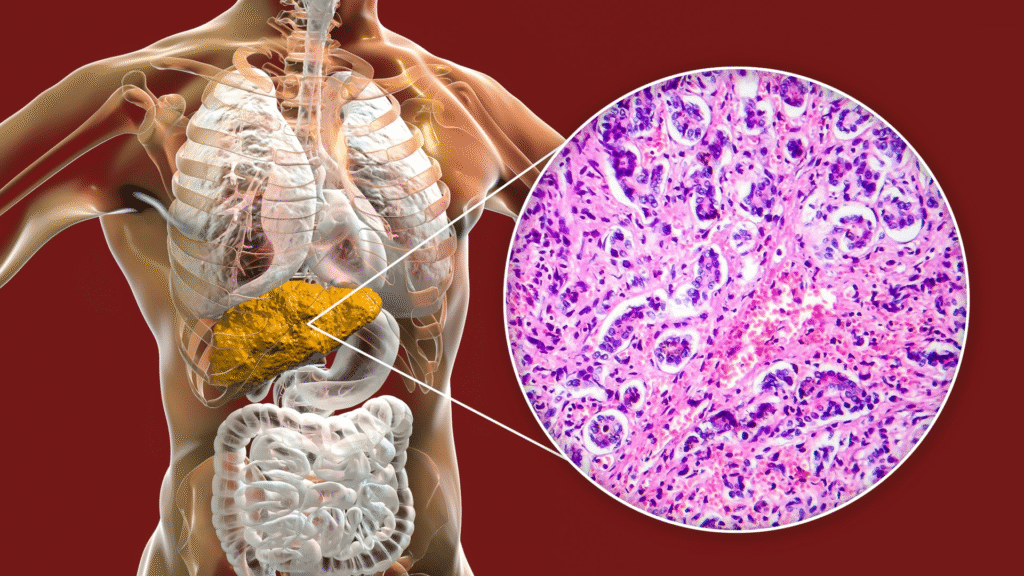
Patients with PFIC have genetic mutations that impair the liver’s ability to secrete a digestive fluid known as bile into the digestive tract.
Bile is a yellowish-green fluid produced in the liver, and it is normally secreted into the digestive tract to help with the breakdown of fats, the absorption of vitamins from food, and the removal of waste products in stool.
But in patients with PFIC, bile instead accumulates in the liver and thus begins to damage the organ. As liver cells die, they are replaced with scar tissue, a process known as fibrosis.
There are three types of PFIC — PFIC1, PFIC2 and PFIC3 — which differ in that they are caused by mutations in different genes that code for proteins needed for the liver to function properly. PFIC is inherited in an autosomal recessive manner, meaning that children must inherit two copies of a relevant mutated gene — one from each parent — to develop the disease.
🇺🇸 PFIC Prevalence in the U.S.:
✅ Estimated prevalence:
- 1 in 50,000 to 1 in 100,000 births
— This translates to roughly 70–140 new cases per year in the U.S. based on about 3.6–3.7 million births annually. - Total prevalent PFIC population in the U.S. is estimated to be:
- ~500 to 1,000 individuals, across all PFIC subtypes (PFIC1, PFIC2, PFIC3, and newer classifications like PFIC4+).
🧬 PFIC Subtypes:
PFIC is genetically heterogeneous:
- PFIC1 (ATP8B1 mutation)
- PFIC2 (ABCB11 mutation, most severe)
- PFIC3 (ABCB4 mutation, often later onset)
- PFIC4–6 (newer gene mutations, rarer still)
Each subtype has distinct severity, progression, and transplant probability.
🧠 Summary Table:
| Metric | Estimate |
|---|---|
| U.S. incidence | ~1 in 50,000 to 100,000 live births |
| New cases per year (U.S.) | ~70–140 |
| Prevalent cases in U.S. | ~500–1,000 |
| Classification | Ultra-rare pediatric liver disorder |