

PBC is a form of liver disease that causes a backup of bile in your body. And it’s this buildup can trigger a reaction that irritates your peripheral nerves. What happens is the peripheral nerves then send sympathetic signals to the brain and trigger a need to scratch the skin.
First, what exactly is PBC? Primary Biliary Cholangitis is a chronic and progressive condition that causes inflammation and, eventually, the destruction of the bile ducts that run through your liver. Without working bile ducts, bile backs up in your liver, causing liver damage. And this can lead to cirrhosis of the liver. However, medication can delay and sometimes prevent it.
PBC side effects include fatigue and brain fog. And for a lot of patients, a nagging, distracting and vexing itchiness is at the very top of common complaints.
For many, the itch can be managed. 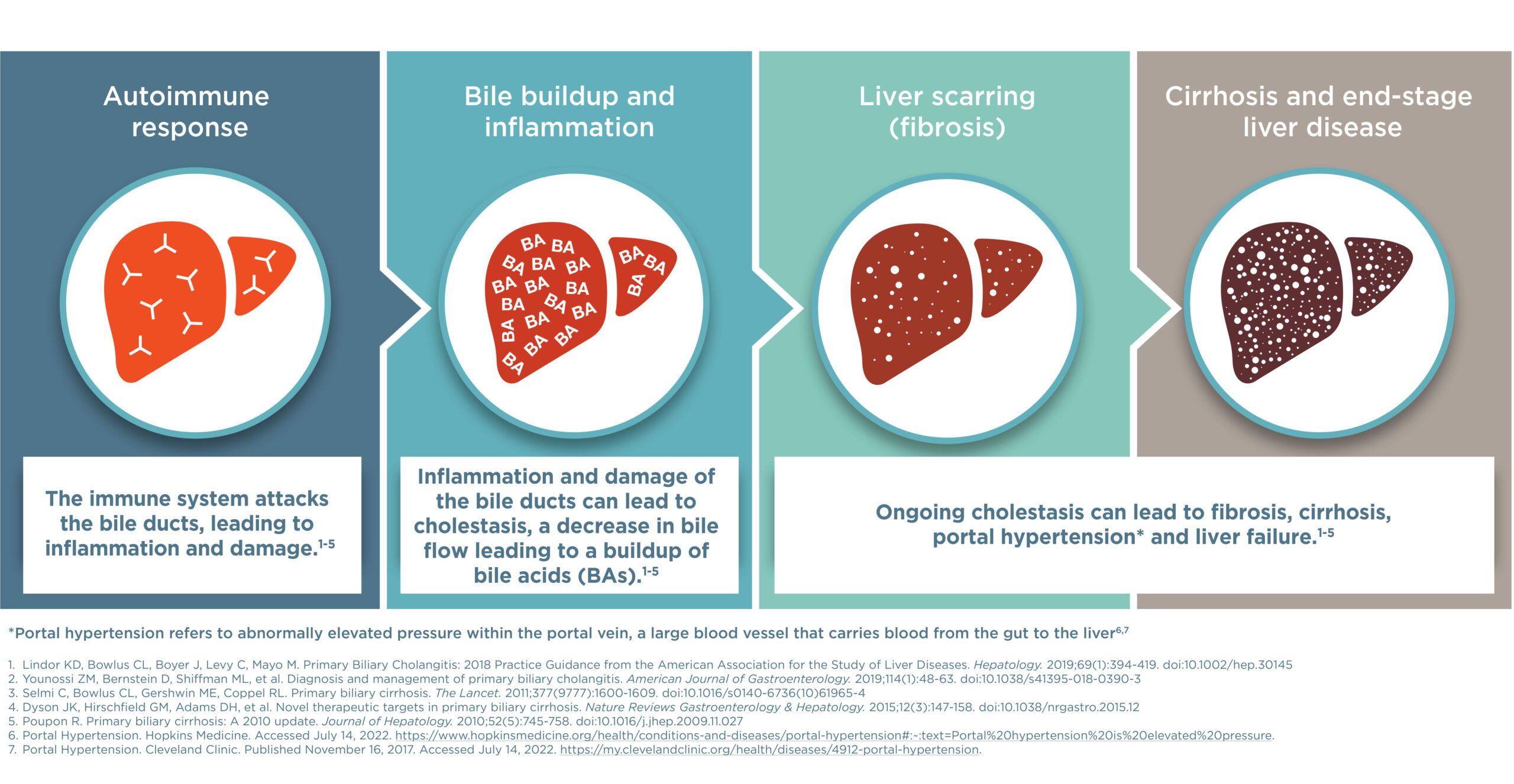
“Pruritus” is the medical term for itchy skin. And ”cholestatic pruritus” is the medical name for itchy skin that’s a function of bile duct disease.
PBC itch commonly affect the palms of the patient’s hands and the soles of the feet. Yet it can also be all over, and can be worse at night.
The exact mechanism behind the itch is rather complicated. But essentially, having PBC causes a backup of bile in your body. And that buildup can trigger a reaction that irritates your peripheral nerves.
Living with a persisent itch can make it difficult to sleep — and even get through your day. And the intensity or frequency of the itch may not necessarily correlate with the severity of PBC disease progression.
There are a number of medications that a healthcare provider like LiverRight’s own can prescribe that can get to the root cause of the itch and lessen or stop it all together. And these medications can also help manage the disease overall.
A stepwise approach by hepatology providers is typical to managing PBC itch. That means, for example, your LiverRight provider will move you on to more intensive therapies only if and as needed.